In the heart of our bustling metropolises, a quiet revolution is unfolding. As concrete jungles expand and human populations soar, an unexpected narrative of coexistence is being written between urban dwellers and their wild counterparts. The concept of city wildlife is no longer an anomaly but a critical component of modern ecological discourse, challenging our perceptions of where nature belongs and how we might forge a sustainable future amidst steel and glass.
For decades, urbanization was synonymous with habitat destruction, pushing wildlife to the fringes or into oblivion. However, a paradigm shift is occurring. Ecologists and city planners now recognize that urban environments can serve as vital refuges and even thriving ecosystems for a diverse array of species. From peregrine falcons nesting on skyscrapers to foxes foraging in suburban gardens, animals are not just surviving but adapting in remarkable ways. This adaptation is a testament to resilience, yet it also places a profound responsibility on human societies to facilitate rather than hinder this integration.
The benefits of urban wildlife are manifold and often underestimated. Beyond the sheer wonder of encountering a hawk soaring between high-rises or a family of raccoons navigating back alleys, these creatures play indispensable roles in maintaining ecological balance. Pollinators like bees and butterflies ensure the health of urban gardens and green spaces, while birds control insect populations. Moreover, the presence of wildlife has been linked to improved human well-being, reducing stress and fostering a deeper connection to the natural world in an otherwise artificial environment.
However, this coexistence is not without its challenges. Conflicts arise when human and animal interests collide—be it through property damage, disease concerns, or simple fear. The key to harmony lies not in eradication but in intelligent management and public education. Cities like Berlin and Singapore have pioneered innovative approaches, from wildlife corridors that allow safe animal passage to public campaigns that teach residents how to coexist peacefully with their wild neighbors. These strategies emphasize coexistence over conflict, viewing animals as partners in urban ecology rather than pests.
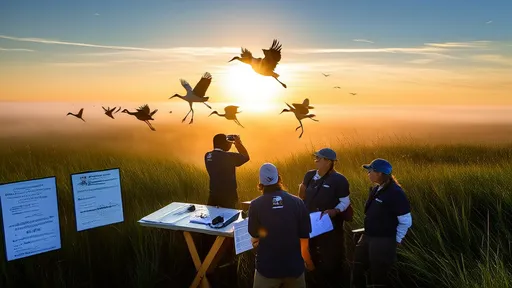
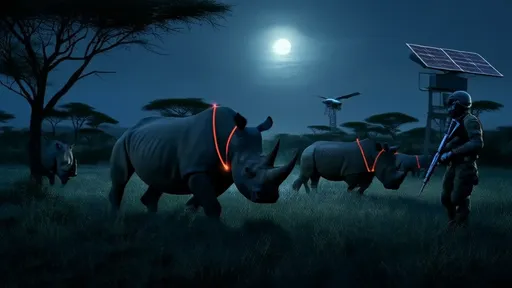
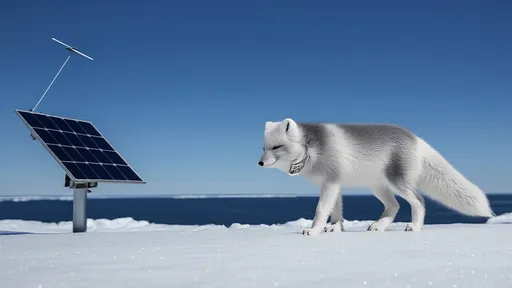
Technology is emerging as a powerful ally in this endeavor. Advanced tracking systems monitor animal movements, providing data that inform urban planning decisions. Green architecture incorporates habitats into building designs, creating vertical forests and rooftop gardens that serve as sanctuaries for species. Even mobile apps now allow citizens to report sightings, contributing to community science efforts that map biodiversity hotspots and identify areas needing intervention. This marriage of technology and ecology is crafting cities that are not only smarter but also wilder.
Yet, technology alone is insufficient. The soul of coexistence lies in cultural change—a shift in how we perceive our place in the urban ecosystem. It requires embracing a certain level of unpredictability and accepting that cities are shared spaces. Educational programs in schools, community workshops, and media representation all play crucial roles in fostering a culture of respect and curiosity toward urban wildlife. When children grow up learning about the foxes in their parks rather than fearing them, the foundation for lasting coexistence is laid.
Policy, too, must evolve to reflect this new reality. Zoning laws that protect green spaces, regulations on pesticide use, and investments in biodiversity-friendly infrastructure are essential. Cities must prioritize ecological connectivity, ensuring that parks, rivers, and greenways form a network that supports wildlife movement. This requires visionary leadership and cross-sector collaboration, uniting government agencies, conservation groups, and citizens in a common cause.
Looking ahead, the future of urban wildlife coexistence is both promising and precarious. Climate change and continued urbanization pose significant threats, yet they also offer opportunities to reimagine city living. The rise of biophilic design—architecture that integrates natural elements—suggests a future where buildings themselves become ecosystems. Imagine cities where wastewater is purified by constructed wetlands teeming with life, where every neighborhood boasts a habitat patch, and where the sound of birdsong rivals the hum of traffic.
In the end, the journey toward urban ecological balance is not about returning to a pristine past but about forging a new kind of wilderness—one that thrives in the interstices of human civilization. It demands creativity, compassion, and a willingness to share our world with other species. As we navigate the complexities of modern urban life, the presence of wildlife reminds us that we are part of a larger web of life, one that enriches our existence in countless ways. The path to coexistence is paved with challenges, but it is a path worth taking, for in saving a place for wildlife in our cities, we ultimately save a part of ourselves.

By /Aug 21, 2025
By /Aug 21, 2025
By /Aug 21, 2025

By /Aug 21, 2025
By /Aug 21, 2025
By /Aug 21, 2025

By /Aug 21, 2025
By /Aug 21, 2025

By /Aug 21, 2025
By /Aug 21, 2025
By /Aug 21, 2025

By /Aug 21, 2025
By /Aug 21, 2025

By /Aug 21, 2025
By /Aug 21, 2025
By /Aug 21, 2025
By /Aug 21, 2025
By /Aug 21, 2025
By /Aug 21, 2025
By /Aug 21, 2025
