The concept of wheelchair accessibility has evolved far beyond the installation of ramps and handrails. While these physical adaptations remain crucial, true inclusivity requires a holistic approach that considers everything from urban planning to societal attitudes. For millions of people worldwide who rely on wheelchairs for mobility, navigating daily life presents challenges that able-bodied individuals rarely contemplate. The difference between mere compliance with accessibility standards and genuine wheelchair-friendliness often lies in the details—the thoughtful considerations that transform spaces from technically accessible to comfortably usable.
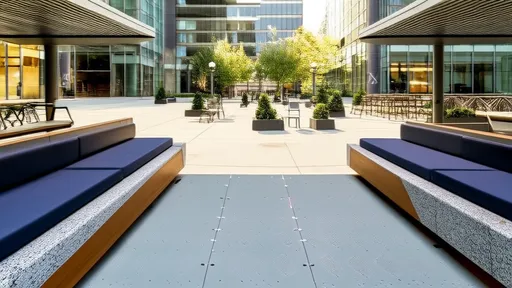
Urban landscapes present some of the most visible accessibility challenges. Sidewalks with abrupt endings, public transportation systems with limited boarding options, and buildings with inaccessible entrances create barriers to participation in community life. However, progressive cities are demonstrating how innovative design can foster independence. Curb cuts that blend seamlessly into streetscapes, tactile paving that guides visually impaired wheelchair users, and public parks with adaptive equipment show what's possible when accessibility becomes a design priority rather than an afterthought.
Transportation remains one of the most significant hurdles for wheelchair users. While many cities have adopted accessible buses and trains, the reality often falls short of the ideal. Insufficient numbers of accessible vehicles, malfunctioning lifts, and drivers untrained in proper assistance techniques can turn a simple commute into an ordeal. The emergence of ride-sharing services with wheelchair-accessible vehicles has helped fill some gaps, but universal design in public transit infrastructure would provide more reliable solutions. Air travel presents its own set of challenges, from damaged equipment to inadequate assistance protocols, highlighting the need for industry-wide standards and accountability.
Workplace inclusion represents another critical frontier in wheelchair accessibility. While many companies comply with legal requirements for physical accommodations, truly inclusive workplaces go further. Adjustable-height workstations, accessible restrooms with proper turning radius, and emergency evacuation plans that account for mobility limitations create environments where wheelchair users can focus on their work rather than overcoming obstacles. Perhaps more importantly, fostering a culture that values diverse abilities and provides equal opportunities for advancement completes the picture of workplace accessibility.
The digital world presents both challenges and opportunities for wheelchair accessibility. As more services move online, ensuring that websites and applications are navigable by people using adaptive technologies becomes increasingly important. Voice recognition software, screen readers, and alternative input devices can bridge many gaps, but only if digital platforms are designed with accessibility in mind. The rise of telecommuting and remote work options has opened new possibilities for wheelchair users, particularly in areas where physical infrastructure remains lacking.
Social attitudes constitute perhaps the most subtle yet powerful barrier to true wheelchair-friendliness. Well-meaning but misguided actions—speaking to a companion rather than directly to a wheelchair user, offering unneeded assistance, or making assumptions about capabilities—can be as limiting as physical barriers. Education and awareness campaigns play vital roles in shifting perceptions, but personal interactions and representation in media may prove even more effective. When wheelchair users see themselves reflected in positions of authority and influence, and when others regularly encounter people with disabilities in all areas of life, outdated stereotypes begin to fade.
Looking toward the future, technological innovations promise to enhance wheelchair accessibility in unprecedented ways. Smart city initiatives that incorporate real-time accessibility data, advancements in wheelchair design offering greater independence, and emerging technologies like exoskeletons all point toward a more inclusive tomorrow. However, technology alone cannot create a wheelchair-friendly world. Lasting change requires commitment at every level—from individual awareness to policy decisions—to view accessibility not as a special accommodation but as a fundamental right and a shared benefit to society as a whole.
The measure of a truly wheelchair-friendly society lies not in how well it accommodates limitations, but in how effectively it removes barriers to full participation. From city streets to corporate offices, from digital interfaces to human interactions, every environment holds potential to either include or exclude. By prioritizing accessibility in its broadest sense, we create spaces that work better for everyone—parents pushing strollers, travelers with rolling luggage, elderly individuals using walkers, and yes, people who use wheelchairs. In the end, wheelchair-friendliness isn't about special treatment; it's about designing a world that recognizes the diversity of human experience and embraces the simple truth that access is dignity.

By /Aug 13, 2025

By /Aug 13, 2025

By /Aug 13, 2025

By /Aug 13, 2025
By /Aug 13, 2025

By /Aug 13, 2025

By /Aug 13, 2025

By /Aug 13, 2025

By /Aug 13, 2025

By /Aug 13, 2025

By /Aug 13, 2025

By /Aug 13, 2025

By /Aug 13, 2025

By /Aug 13, 2025

By /Aug 13, 2025

By /Aug 13, 2025

By /Aug 13, 2025

By /Aug 13, 2025

By /Aug 13, 2025

By /Aug 13, 2025
