The holy month of Ramadan holds profound significance for Muslims across the Middle East and beyond. As the ninth month of the Islamic lunar calendar, it is a time of fasting, prayer, reflection, and community. The region transforms during this period, with cities slowing down by day and coming alive at night. The rhythm of life adjusts to accommodate the spiritual and physical demands of fasting from dawn until sunset.
The Cultural and Spiritual Essence of Ramadan
Ramadan is much more than abstaining from food and drink; it is a month of heightened spirituality and self-discipline. Families gather for iftar, the meal that breaks the fast at sunset, often beginning with dates and water, following the tradition of the Prophet Muhammad. Mosques fill with worshippers for Taraweeh, special nightly prayers that can last for hours. The recitation of the Quran takes center stage, with many aiming to complete the entire text by the end of the month.
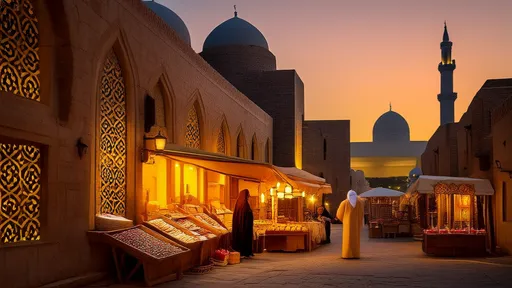
Across the Middle East, the atmosphere shifts noticeably. Work hours are shortened, and businesses adjust their schedules to allow for the observance of fasting and prayers. Even in bustling cities like Dubai, Cairo, and Riyadh, there is a palpable sense of tranquility during daylight hours. As the sun sets, streets burst into activity, with markets and cafes remaining open late into the night.
Regional Variations in Ramadan Traditions
While the core practices of Ramadan are consistent, each country in the Middle East adds its own cultural flair. In Egypt, the streets are adorned with colorful lanterns known as fanoos, and the call to prayer echoes through Cairo’s ancient alleyways. It is common to hear the rhythmic beats of the tabla drum before dawn, as the musaharati walks through neighborhoods to wake people for suhoor, the pre-dawn meal.
In the Gulf countries, lavish iftar spreads are a hallmark of hospitality, with hotels and restaurants offering extravagant buffets featuring traditional dishes like harees, mandi, and kunafa. Meanwhile, in Levantine nations such as Syria and Lebanon, family recipes passed down through generations take center stage, with dishes like fattoush and maqluba gracing the tables.
In more conservative societies, public eating and drinking during fasting hours are discouraged, and in some cases, even punishable by law. Conversely, in cosmopolitan hubs like Dubai and Beirut, non-Muslims are often seen dining discreetly in designated areas, reflecting a balance between religious observance and modern diversity.
The Economic and Social Impact of Ramadan
Ramadan also has a significant economic impact across the Middle East. Consumer spending spikes, particularly on food, clothing, and gifts in preparation for Eid al-Fitr, the festival marking the end of Ramadan. Markets and shopping malls extend their hours late into the night, and brands launch special Ramadan-themed advertisements and promotions.
Charitable giving, or zakat, is another cornerstone of the month. Many Muslims fulfill their religious obligation to donate a portion of their wealth to those in need. Community iftar tents are set up to provide free meals for the less fortunate, embodying the spirit of generosity and solidarity.
Yet, Ramadan is not without its challenges. The long hours of fasting, particularly in the summer months, can take a toll on health and productivity. Traffic congestion peaks in the hour before iftar, as everyone rushes home to break their fast. In conflict-affected areas like Yemen and Syria, the hardships of war are exacerbated during Ramadan, with many struggling to afford even basic meals for iftar.
Ramadan in the Modern Age
Technology has also reshaped how Ramadan is observed. Mobile apps remind users of prayer times and fasting hours, while live streams of Taraweeh prayers from Mecca allow those unable to travel to participate virtually. Social media platforms are flooded with Ramadan greetings, recipes, and religious reminders, creating a sense of global Muslim unity.
Despite these modern adaptations, the essence of Ramadan remains unchanged—a time for spiritual renewal, community bonding, and deepening one’s connection with faith. Whether in the quiet of a desert village or the heart of a metropolis, the month leaves an indelible mark on the lives of millions.
As the crescent moon signals the end of Ramadan, the celebration of Eid al-Fitr brings a joyous conclusion to the month of fasting. Families dress in new clothes, exchange gifts, and gather for festive meals. The sense of accomplishment and spiritual fulfillment lingers, as Muslims carry the lessons of Ramadan into the rest of the year.
By /Aug 13, 2025

By /Aug 13, 2025

By /Aug 13, 2025
By /Aug 13, 2025

By /Aug 13, 2025

By /Aug 13, 2025

By /Aug 13, 2025
By /Aug 13, 2025

By /Aug 13, 2025

By /Aug 13, 2025

By /Aug 13, 2025

By /Aug 13, 2025

By /Aug 13, 2025

By /Aug 13, 2025

By /Aug 13, 2025

By /Aug 13, 2025

By /Aug 13, 2025

By /Aug 13, 2025

By /Aug 13, 2025

By /Aug 13, 2025
