The ancient temples of India stand as magnificent testaments to the country's rich spiritual heritage and architectural brilliance. These sacred structures, scattered across the subcontinent, are not merely places of worship but living embodiments of India's cultural, historical, and artistic legacy. From the towering gopurams of Tamil Nadu to the intricate carvings of Khajuraho, each temple tells a unique story of devotion, craftsmanship, and the enduring power of faith.
The Spiritual Heart of India
Indian temples serve as the spiritual heart of communities, drawing millions of pilgrims and visitors each year. These sacred spaces are designed according to ancient Vedic principles of architecture known as Vastu Shastra, which harmonize human dwellings with cosmic energies. The temple layout typically represents the cosmos, with the sanctum sanctorum (garbhagriha) symbolizing the navel of the universe where the deity resides.
What makes Indian temples truly remarkable is their ability to transcend mere physical structures. They become living entities where stone breathes with divine energy, where every sculpture and carving pulsates with spiritual significance. The daily rituals performed in these temples follow traditions that have remained largely unchanged for centuries, creating an unbroken link between past and present.
Architectural Marvels Across Eras
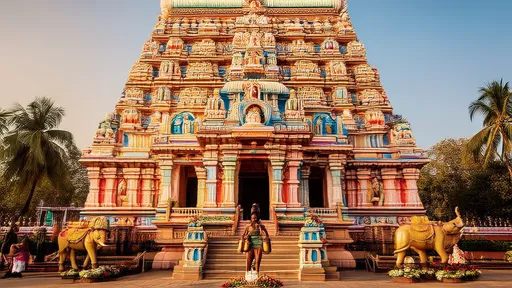
The diversity of temple architecture across India reflects the country's vast cultural tapestry. In the south, the Dravidian style dominates with its towering gateways (gopurams) covered in colorful sculptures of gods and goddesses. The Brihadeeswarar Temple in Thanjavur, built by Rajaraja Chola I in 1010 CE, showcases this style at its zenith with its massive vimana (tower) that seems to touch the sky.
Moving northward, the Nagara style emerges with its beehive-shaped shikharas (spires) and more streamlined profiles. The Kandariya Mahadeva Temple in Khajuraho represents the pinnacle of this style, its exterior walls adorned with exquisite carvings that depict everything from celestial beings to scenes of everyday life. Meanwhile, the temples of Odisha, like the famous Sun Temple at Konark, display a unique regional variation with their elaborate wheel designs and intricate stonework.
The Living Tradition of Temple Arts
Indian temples have historically been centers of artistic excellence, preserving and nurturing various art forms. Classical dance styles like Bharatanatyam and Odissi originated as temple dances performed to honor the deities. Even today, many temples maintain these traditions through daily performances and annual festivals.
The musical traditions preserved in temples are equally significant. The ancient practice of Vedic chanting continues uninterrupted in many South Indian temples, while the devotional hymns of the Alwars and Nayanmars still echo through the corridors of Tamil Nadu's sacred sites. Temple walls themselves serve as canvases for traditional painting styles, from the vibrant frescoes of Kerala's temples to the delicate miniature paintings found in Rajasthan's Jain temples.
Pilgrimage: The Eternal Journey
Temple tourism in India goes beyond casual sightseeing - it represents a profound spiritual journey. The concept of tirtha yatra (pilgrimage) holds deep significance in Hindu tradition, with certain temples considered particularly auspicious to visit. The Char Dham (four abodes) pilgrimage takes devotees to the four corners of India, while the twelve Jyotirlinga temples dedicated to Lord Shiva draw millions of devotees annually.
Modern infrastructure has made these sacred sites more accessible than ever before, yet the essence of the pilgrimage remains unchanged. Whether it's the arduous trek to Kedarnath in the Himalayas or the simple act of walking barefoot around the Meenakshi Temple's thousand-pillared hall, the physical journey mirrors the inner spiritual quest.
Preserving the Sacred for Future Generations
As India marches forward into the 21st century, its ancient temples face new challenges. Environmental factors, urban encroachment, and the sheer volume of visitors threaten many heritage structures. However, conservation efforts led by both government agencies and local communities are working to protect these invaluable treasures.
Organizations like the Archaeological Survey of India employ traditional techniques alongside modern technology to preserve temple structures. Meanwhile, temple trusts are finding innovative ways to maintain the delicate balance between accessibility and preservation. Digital documentation projects are creating detailed records of temple art and architecture, ensuring that even if physical structures fade, their memory and significance will endure.
The temples of India represent far more than historical relics - they are vibrant centers of culture, spirituality, and community life that continue to shape the nation's identity. As the sun rises each morning over countless temple spires across the subcontinent, these sacred structures stand as eternal witnesses to India's unbroken connection with the divine.
By /Aug 13, 2025

By /Aug 13, 2025

By /Aug 13, 2025
By /Aug 13, 2025

By /Aug 13, 2025

By /Aug 13, 2025

By /Aug 13, 2025
By /Aug 13, 2025

By /Aug 13, 2025

By /Aug 13, 2025

By /Aug 13, 2025

By /Aug 13, 2025

By /Aug 13, 2025

By /Aug 13, 2025

By /Aug 13, 2025

By /Aug 13, 2025

By /Aug 13, 2025

By /Aug 13, 2025

By /Aug 13, 2025

By /Aug 13, 2025
