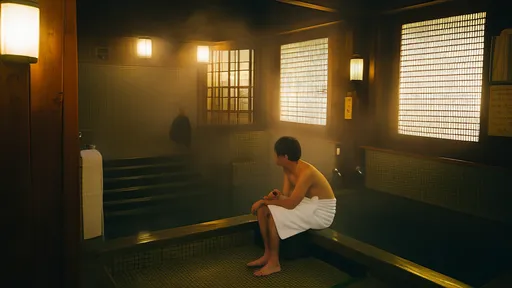
The Nordic sauna tradition is an ancient ritual deeply woven into the cultural fabric of Scandinavia. Far more than just a way to relax, it represents a way of life—a sacred space where physical cleansing meets mental clarity. For centuries, Finns, Swedes, Norwegians, and other Nordic peoples have embraced the sauna as a cornerstone of wellness, socialization, and even spiritual reflection. Unlike modern spa treatments, the Nordic sauna is stripped of pretension, focusing instead on simplicity, heat, and the raw connection between body and nature.
The origins of the Nordic sauna trace back over a thousand years, with the oldest known versions being simple pits dug into the earth and lined with heated stones. The Finns, in particular, are credited with refining the practice, elevating it from a basic heating method to a revered cultural institution. In Finland, saunas were once used for everything from childbirth to preparing the dead for burial, underscoring their significance in life’s most pivotal moments. Even today, Finland boasts over two million saunas for a population of just 5.5 million—a testament to their enduring importance.
What sets the Nordic sauna apart is its emphasis on contrast. The process typically involves cycles of intense heat followed by rapid cooling, whether through a plunge into icy water, a roll in the snow, or a brisk shower. This practice, known as "avanto" in Finnish, is believed to stimulate circulation, strengthen the immune system, and induce a profound sense of rejuvenation. The heat itself is dry, often generated by a wood-burning stove topped with rocks, which can be splashed with water to create bursts of steam, known as "löyly." This word has no direct translation but embodies the essence of the sauna experience—the enveloping, almost sacred warmth that seems to purify both body and soul.
Beyond its physical benefits, the sauna serves as a social equalizer in Nordic culture. It is a place where hierarchies dissolve; a CEO and a laborer sit side by side, united by the shared experience of heat and stillness. Conversations in the sauna tend to be unhurried and genuine, free from the distractions of modern life. In rural communities, saunas were historically the cleanest structures in the village, often doubling as guesthouses or meeting spaces. This tradition of communal bathing fosters a unique sense of trust and camaraderie, something increasingly rare in today’s fast-paced, digitally dominated world.
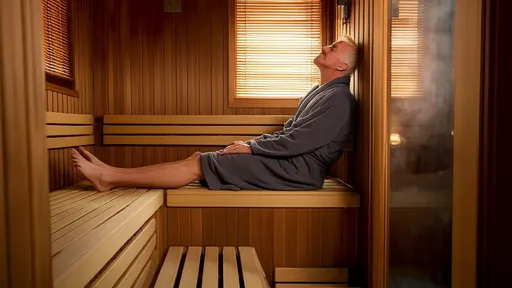
The design of a traditional Nordic sauna is intentionally minimalist. Wood—usually cedar, spruce, or aspen—lines the walls, benches, and flooring, creating a natural, aromatic environment. There are no unnecessary embellishments; the focus remains on the heat and the act of being present. Modern innovations, such as electric stoves and infrared saunas, have made the practice more accessible, but purists argue that nothing compares to the crackle of a wood fire and the scent of burning birch. The temperature inside a Nordic sauna typically ranges between 70°C and 100°C (158°F to 212°F), though seasoned sauna-goers may prefer even higher heat.
In recent years, the global wellness movement has embraced Nordic sauna culture, albeit with some adaptations. Luxury spas now offer "sauna rituals" complete with essential oils and guided meditation, while urban sauna complexes blend traditional practices with contemporary design. Yet, at its core, the Nordic sauna remains a humble, almost primal experience. It is a reminder of our need for stillness, for connection, and for the elemental power of heat and cold. Whether in a lakeside cabin in Finland or a boutique studio in New York, the essence of the sauna endures: a quiet rebellion against the noise of modern life, one löyly at a time.

By /Aug 13, 2025

By /Aug 13, 2025
By /Aug 13, 2025

By /Aug 13, 2025

By /Aug 13, 2025

By /Aug 13, 2025

By /Aug 13, 2025

By /Aug 13, 2025

By /Aug 13, 2025

By /Aug 13, 2025

By /Aug 13, 2025

By /Aug 13, 2025
By /Aug 13, 2025
By /Aug 13, 2025

By /Aug 13, 2025

By /Aug 13, 2025

By /Aug 13, 2025

By /Aug 13, 2025

By /Aug 13, 2025

By /Aug 13, 2025
